A Thousand Star Experience

I’m back from Texas, and it was an inspiring and exciting trip. I arrived early on Thursday and immediately saw inspiration at the airport. Texas houston airport

Look at those colors.

Then I grabbed a cab to the convention center, bought tickets for the International Quilt Festival show, met up with Susan, ate some lunch, then began the tour.

I really liked this award winner by Melissa Sobotka of Richardson, Texas. She used batiks and silk. The colors were earthy and I was drawn to the applique:

Texas end of the spin

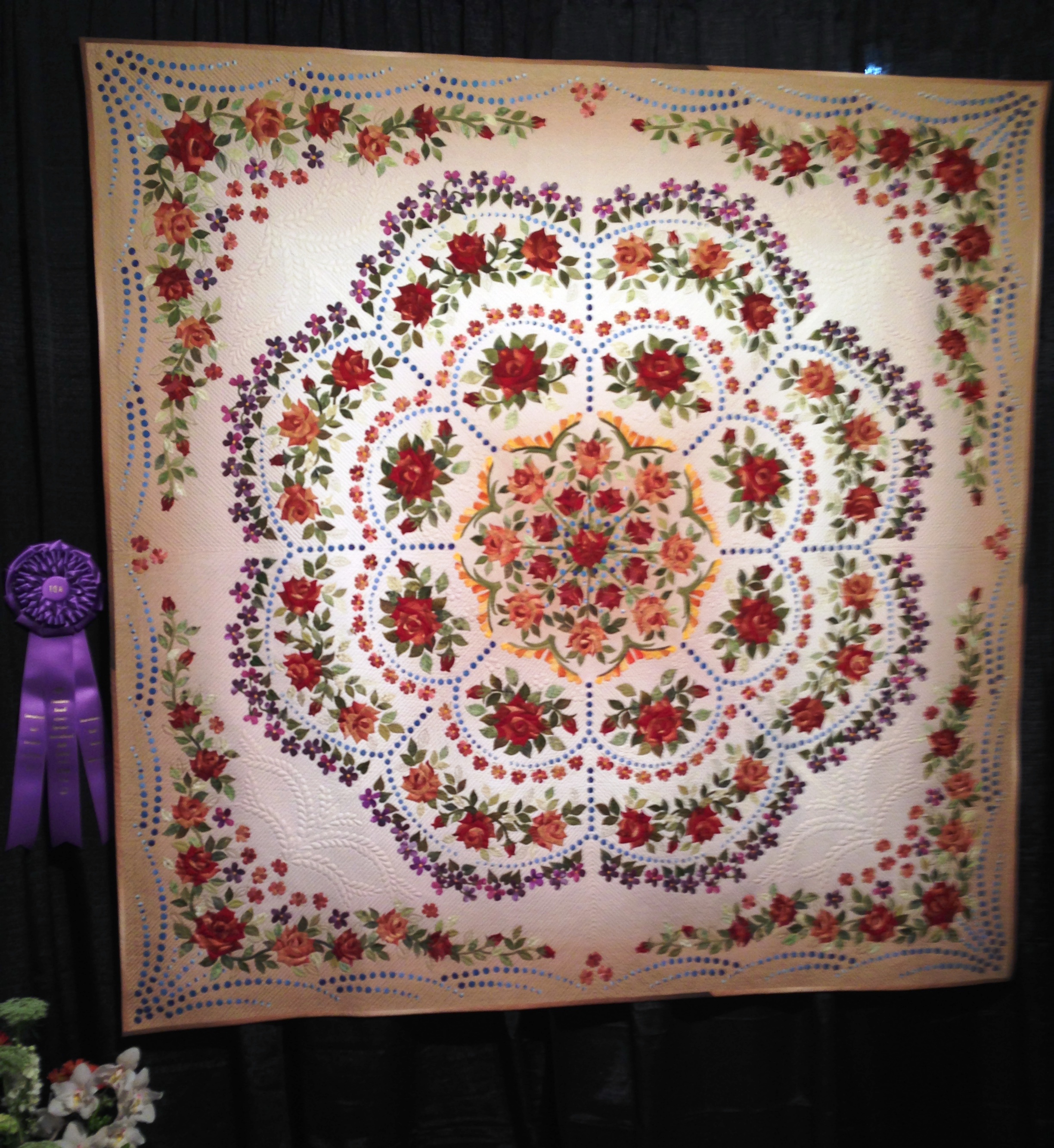
This next quilt is not modern, but it is strikingly beautiful: Brilliant Rose by Junko Fujiwara of Narasheno, Japan.

Texas brilliant rose

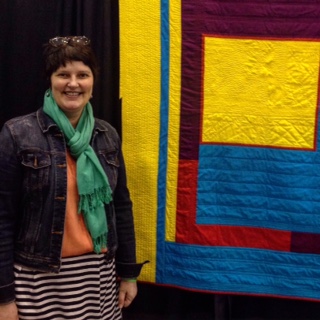
I made it to my quilt, and a friend of Susan’s (on left) took our photo with Random Perfection. Texas random perfection

Susan was a big help in getting me registered for classes and events.

On Friday I took a bus tour through Texas. We began early.
Texas early monring

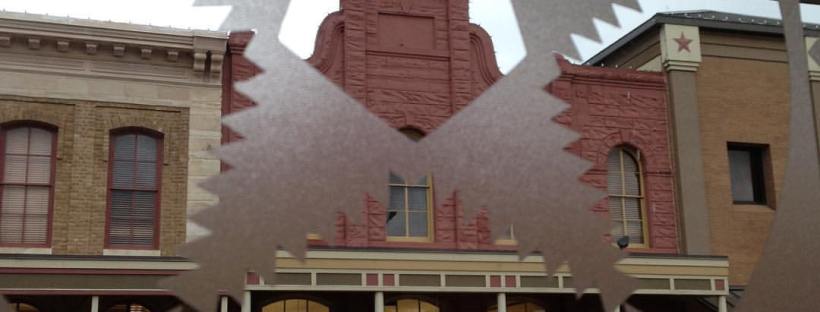
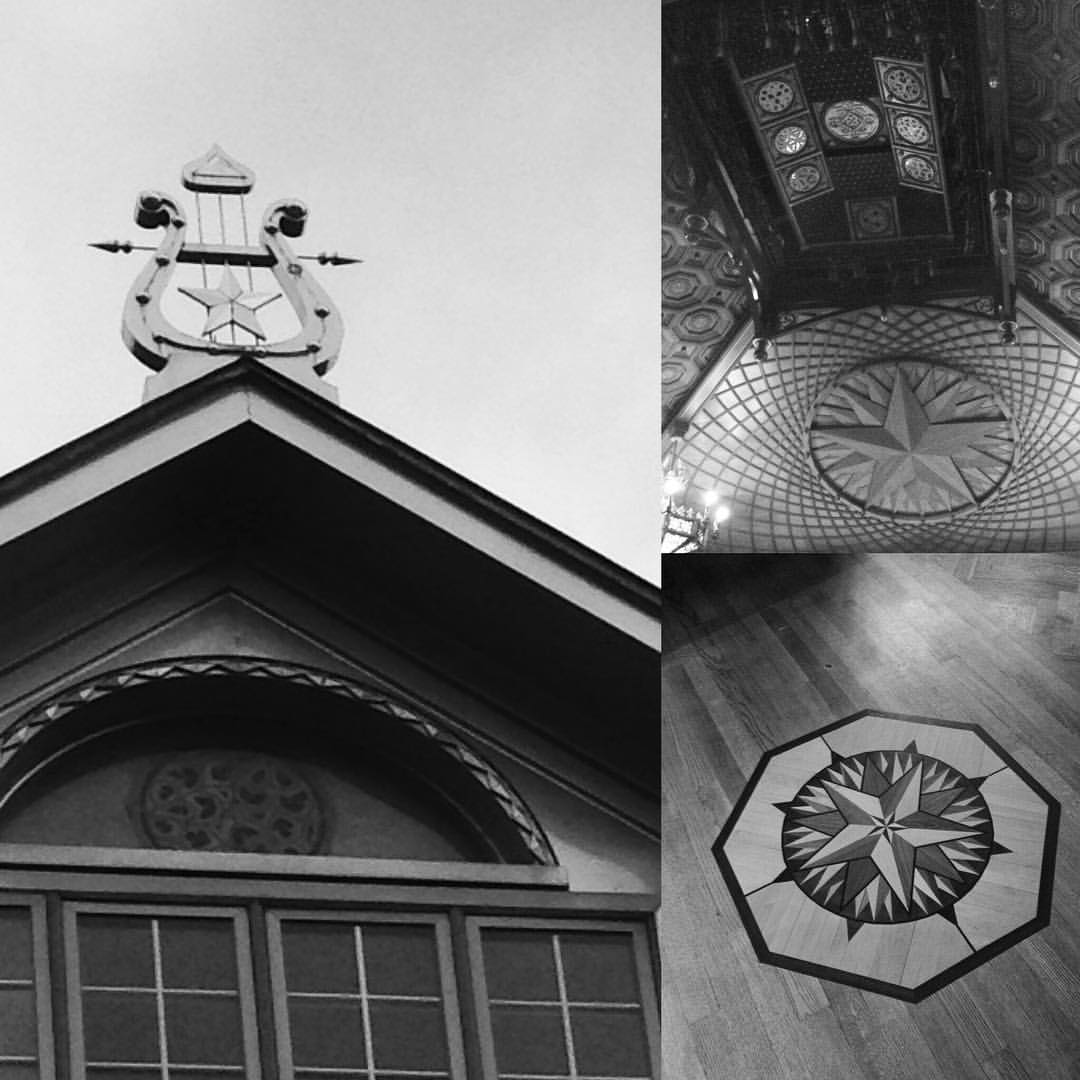
The Texas Quilt Museum was our first stop. They had an amazing collection of contemporary quilts, but I can’t show them to you. They didn’t allow photography. This is a shot from the inside, showing outside to the streets of La Grange, Texas. inside-the-texas-quilt-museum-looking-out-beautiful-quilts-inside-but-no-photography-quiltfestival-texasquiltmuseum_22617986601_oI saw stars at many stops along the way. After lunch and shopping in La Grange, we traveled to Round Top, Texas where the Festival Hill Institute is located. They have an incredible music academy there with a star-filled auditorium:

just-a-few-of-the-stars-i-saw-at-festival-hill-institute-festivalhill_22600582552_o

After that we visited a local quilt shop in the Stafford area of Houston, called Quilters Emporium. They had goody bags for us, and then back to the convention center. Susan was so good to wait for me to get back from the bus tour.

Then it rained and rained. It was more than the streets and bayous could handle. Susan and I attempted to get to the convention center Saturday morning but the streets and highways were flooded. We survived this exciting ride and just relaxed the rest of the day.

I am grateful to Susan for her hospitality and good cheer. I had a great time, and I’m sure this thousand-star experience will find its way into a quilt.

Texas sugar skull

Wanda

Join the Central Virginia Modern Quilt Guild

Logo cva MQG 6.9.15MODERN QUILTERS in my area are coming together to form the CVA Modern Quilt Guild.

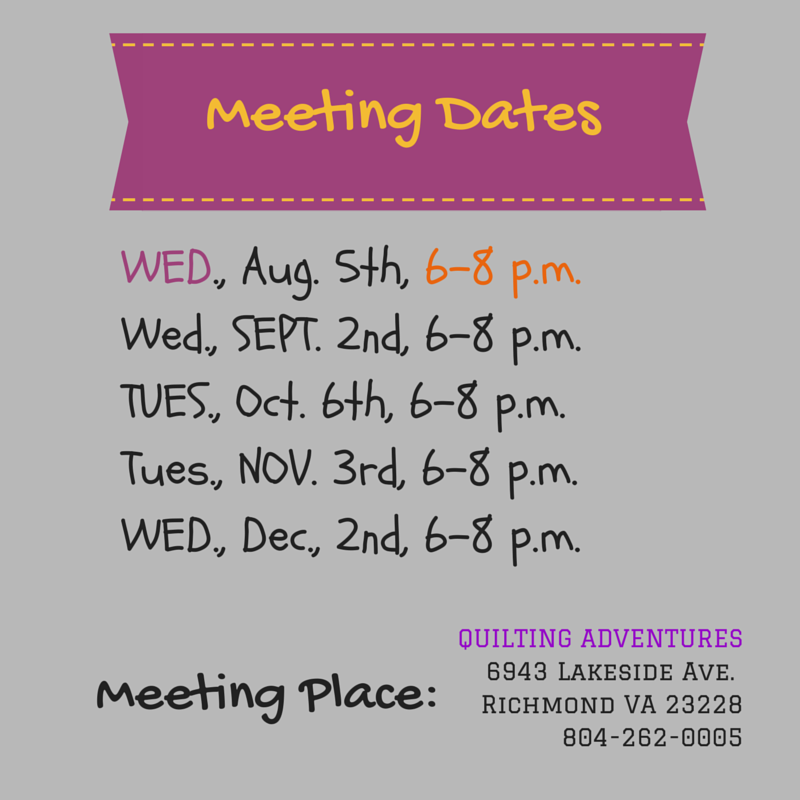
Our first organizational meeting is this Wednesday, August 5th, from 6 to 8 p.m. at Quilting Adventures. I invite you to attend.

Visit CVA Modern Quilt Guild’s website. You may discover you are a modern quilter.

meeting dates 2015

THE CVA MODERN QUILT GUILD will be a chapter of the Modern Quilt Guild. I really excited to work with other modern quilters in my community and have some fun with fabric.

If you don’t live in the Central Virginia, USA, area, please spread the word to quilters you know in this area who might be interested.

Thanks,

Wanda

There are no rules in making a modern quilt, but just in case. Five Things you should know.

In case you want some guidance in your modern quilt making, here are the top five things you need to know:

  1. functional.
  2. use of expansive negative space.
  3. improvisational piecing.
  4. bold and graphic.
  5. minimalism.

For an explanation of modern quilts, I turn to the Modern Quilt Guild. They say:

Modern quilts are primarily functional and inspired by modern design. Modern quilters work in different styles and define modern quilting in different ways, but several characteristics often appear which may help identify a modern quilt. These include, but are not limited to: the use of bold colors and prints, high contrast and graphic areas of solid color, improvisational piecing, minimalism, expansive negative space, and alternate grid work. “Modern traditionalism” or the updating of classic quilt designs is also often seen in modern quilting.

I. FUNCTIONAL

This means you can throw the quilt in the washing machine. I see a lot of modern quilts used as wall hangings and they function as art, but you could still throw them in the wash and they don’t need to be sent to the dry cleaners. I take this “functional” label to mean they aren’t embellished with beads and such.

II. EXPANSIVE NEGATIVE SPACE

The key word here is “expansive.”. Traditional quilts use negative space. My Vintage Moments quilt uses negative space but it isn’t a modern quilt:

IMG_2431

Expansive negative space uses large areas of the same color of fabric and it seems to use minimal piecing.

I like the use of large areas of solid fabric in a quilt, but to make it functional, that negative space needs quilting and all that free motion quilting seems to me to be no different than piecing. Either way there is a design in that space. Thread versus piecing — I don’t know the answer to what is negative space. Maybe it has to read as a solid background and it has nothing to do with negative space design. The blog, KnitNkwilt, has a discussion about negative space in modern quilts. I’m still trying to figure out what this means.

III. BRIGHT AND GRAPHIC COLOR PALETTES (HIGH CONTRAST AND GRAPHIC AREAS OF SOLIC COLOR)

Again, my Vintage Moments quilt uses high contrast with the black and white. High contrast in a modern quilt must mean something more than that.

IV. IMPROVISATIONAL PIECING

I love improvisational piecing.  I think “improvisational piecing” is akin to my understanding of “liberated” quilting. Last year I made a quilt from pieces of scraps from previous projects and quilts, mostly traditional. I made wonky log cabins but the “logs” were white or white-on-white fabric, also left over from previous quilts. I call it Sentimental Soup.

sentimenal soup

V. MINIMALISM

This category seems the easiest for me to understand. Perhaps it is because I see it as Modern Art.

This is a painting by Brice Marden. I recently saw it as the Virginia Museum of Fine Arts. The work is titled, “Meritatio.”

Meritatio By Brice Marden ,1978

This painting looks like a minimal quilt.

I recently finished a quilt, titled Muppets Minimal. I know I named it ‘minimal’ and so it must be minimal. Right?

IMG_6283

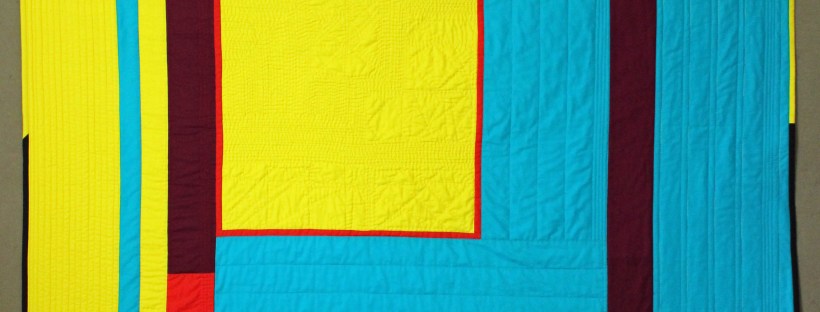
This quilt is my husband’s favorite and is perfect for long naps. Functional – check. Expansive Negative Space– check.  Bright and Graphic– check. Minimal– check.  Improvisational Muppets– check. This must be a modern quilt. The LOVE quilt at the top of this post checks some of these blocks — improvisational, graphic, functional but not minimal and not much expansive negative space. This quilt is called, Love is messy, and is my tribute to the LOVEWorks sculptures throughout Virginia. The point is that a modern quilt doesn’t have to be all these things at once, and that just isn’t possible.

VI. TRADITIONAL WITH A TWIST

I’m drawn to quilts which use traditional blocks in a new way.  The Modern Quilt Guild recognizes these quilts as “modern.” The Cincinnati Modern Quilt Guild explains:

Modern quilting is a new twist on the traditional art of quilting. This may mean something as simple as using a traditional quilt block and updating it in a fresh, fun new way. That includes using modern fabrics, modifying the block arrangement or even the scale of the block. The piecing could be improvisational and liberated, or it could be very exact and measured, following a pattern or creating your own. The quilting could be traditional stippling, clean straight lines, or a very “free,” fun, quilt-as-you-go style. Fabrics could be upcycled vintage sheets, custom digitally printed fabric, a yummy selection from one of the new modern fabric designers, or an old fabric from an ever-growing stash.

 [….]

Modern quilting is also about the attitude and the approach that modern quilters take. It respects the amazing artistry and talent of the tradition of quilting, while allowing the quilter to challenge the “rules.” In fact, if there were one rule in modern quilting, it would be that there are no rules.

I like this description. THERE ARE NO RULES!

VII. FINAL THOUGHTS

I believe art, and modern quilts, must have some connection to the person who is creating the art or the quilt. Merely producing a replica of a piece of modern art is hollow. I have to find what speaks to me and what I want to create. I want my quilts to have a story.

Telling stories one quilt at a time,

Wanda

Update: after writing this post I realized I completely forgot about Alternate Gridwork which was the requirement for the QuiltCon Charity Quilt I helped make.