Fretting over Shadows

I don’t know when I learned that quilting shadows were bad, but now I fret over them. I worry I’ll miss a shadow sliver and once it’s in the quilting phase I won’t be able to fix it. Quilting Shadows are those annoying slivers of fabric which show through a lighter fabric. They are easy to avoid if you’re pressing to the dark side all the time:

Seams pressed to the darker fabric.

Seams pressed to the darker fabric.

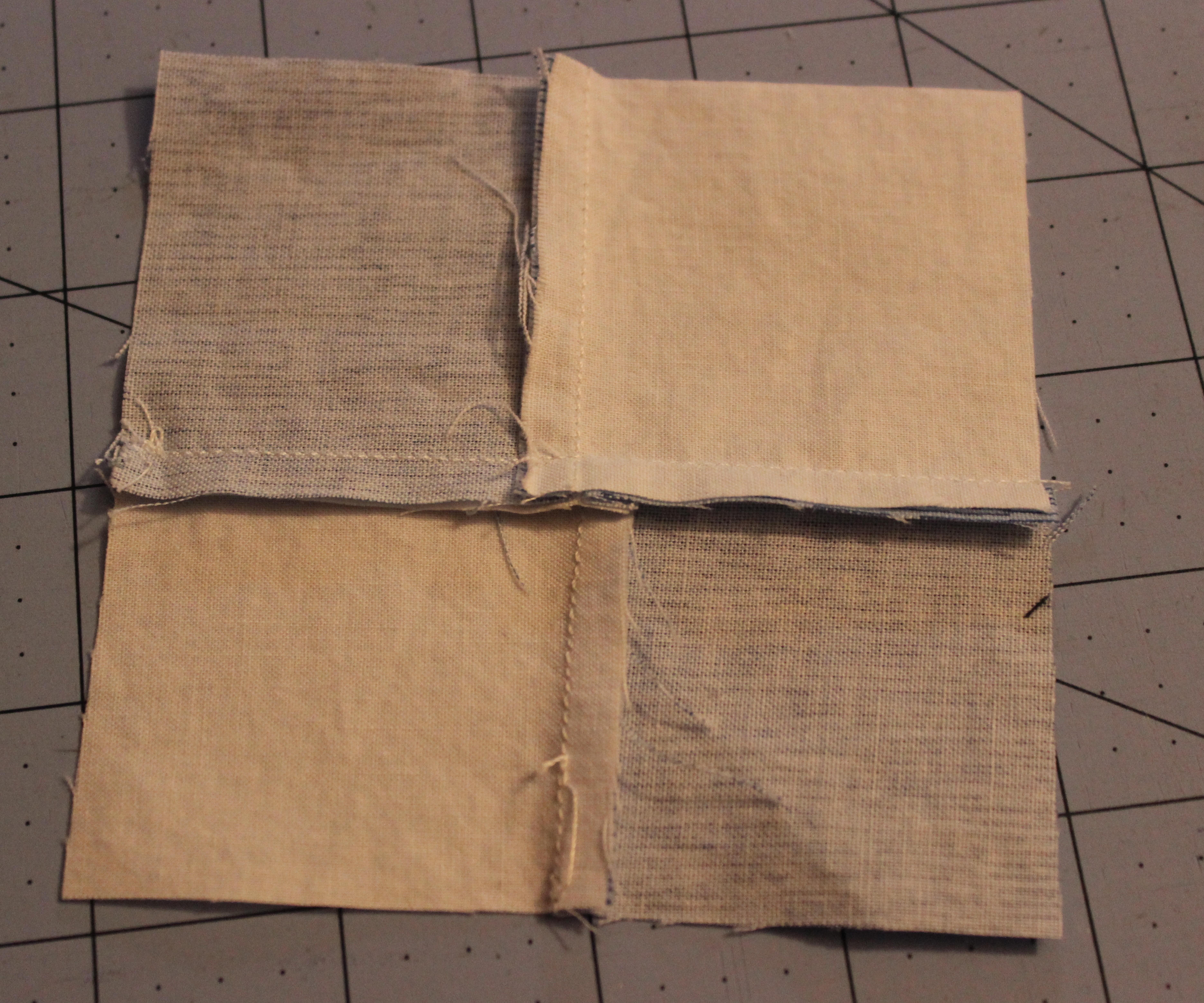
But, make a simple four-block and you can’t press only to the dark side:

four block

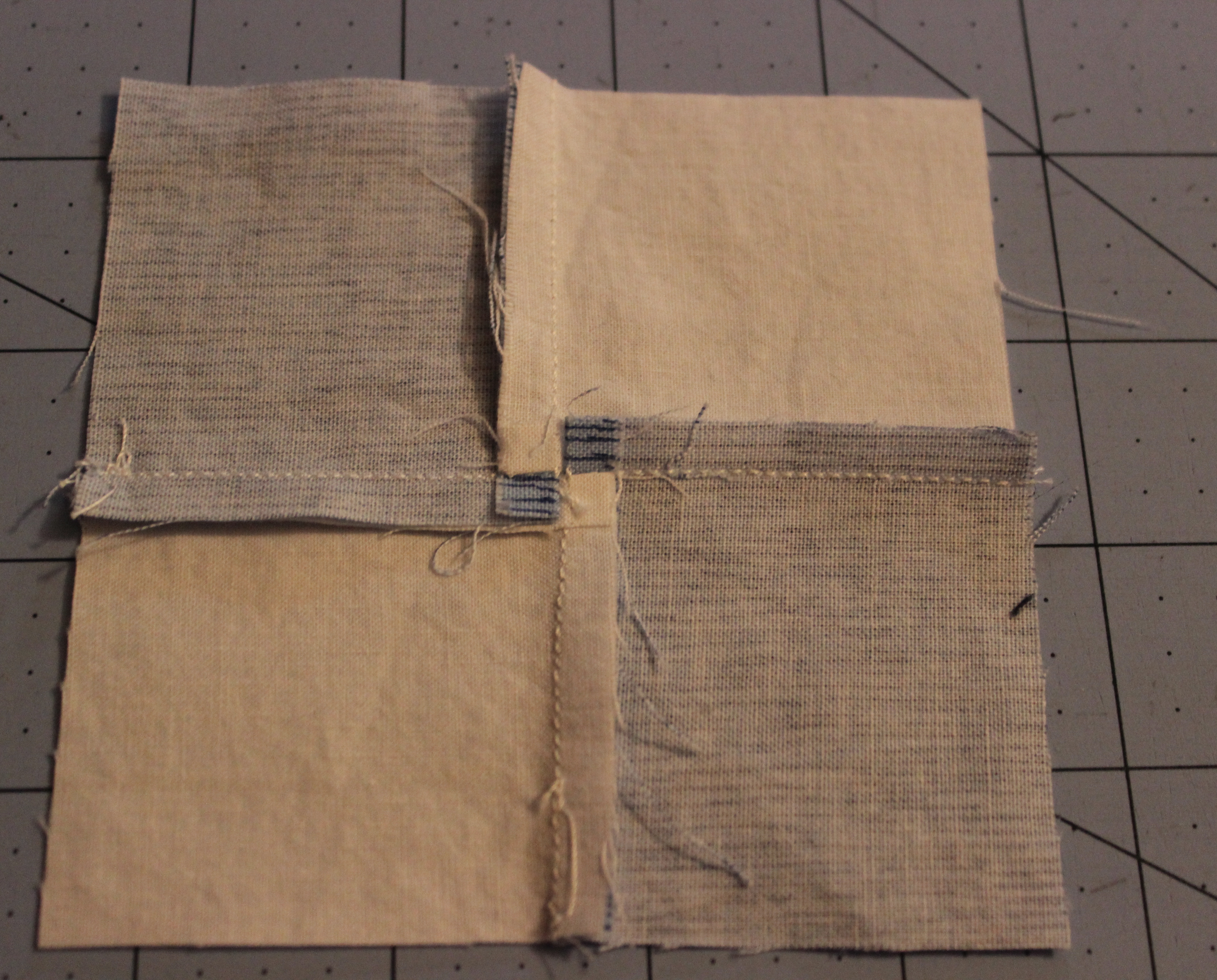
And, I like releasing the threads in the middle seam to reduce the bulk in the middle of the four-block. This also confirms you have a perfectly matched seam.

getting rid of the bulk

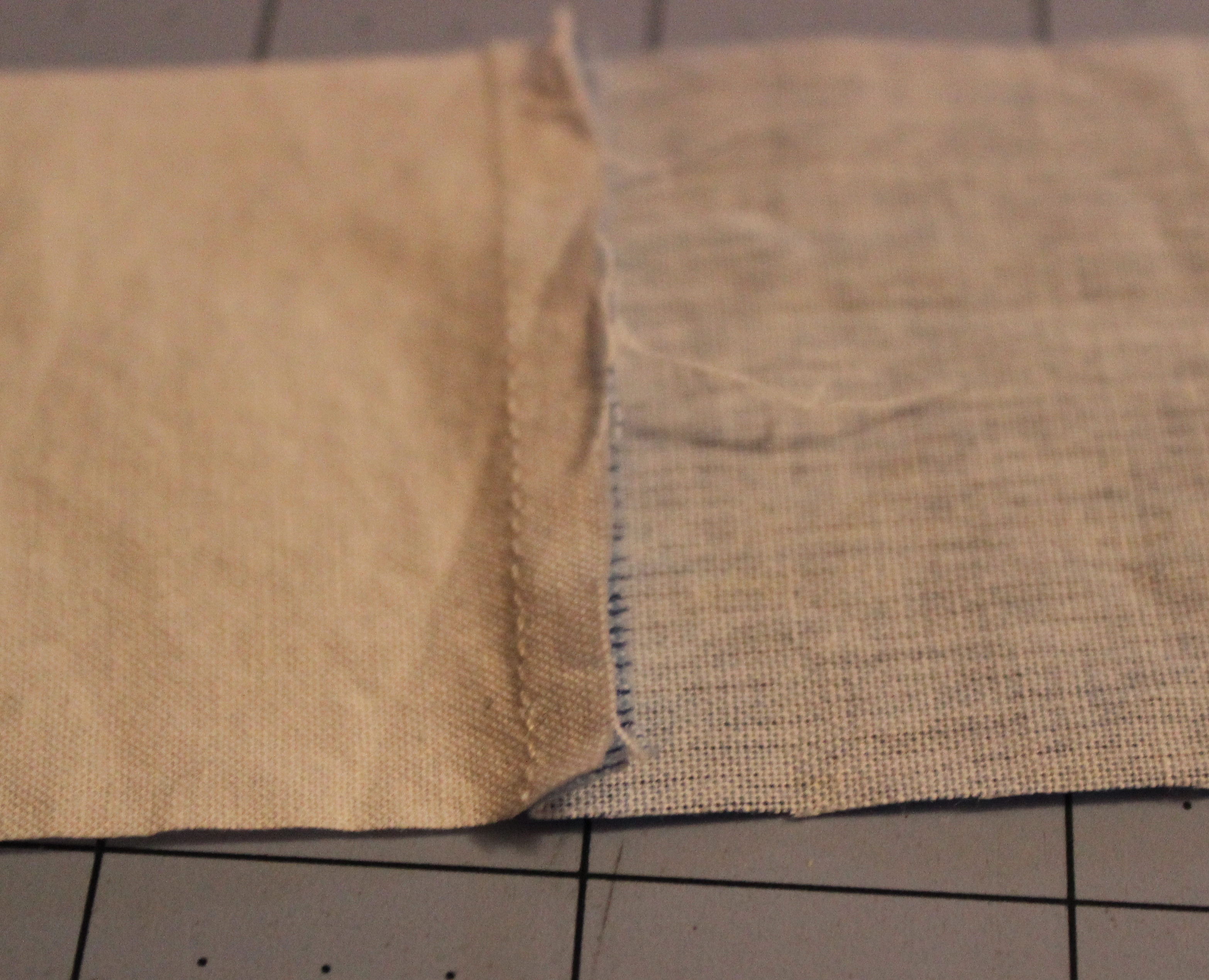
Now, the seams are pressed toward the white and away from the darker fabric, and, of course, this one has a blue shadow.

What to do?

TRIM THE SHADOWS!

shadow sliver

trim the shadow

The result is a block with NO DARK SHADOWS:

no more shadows

I’m linking up with The Late Night Quilters’ Tips and Tutorials Tuesday.

Getting out of the shadows,

Wanda

One tip: perfect needle-turn applique

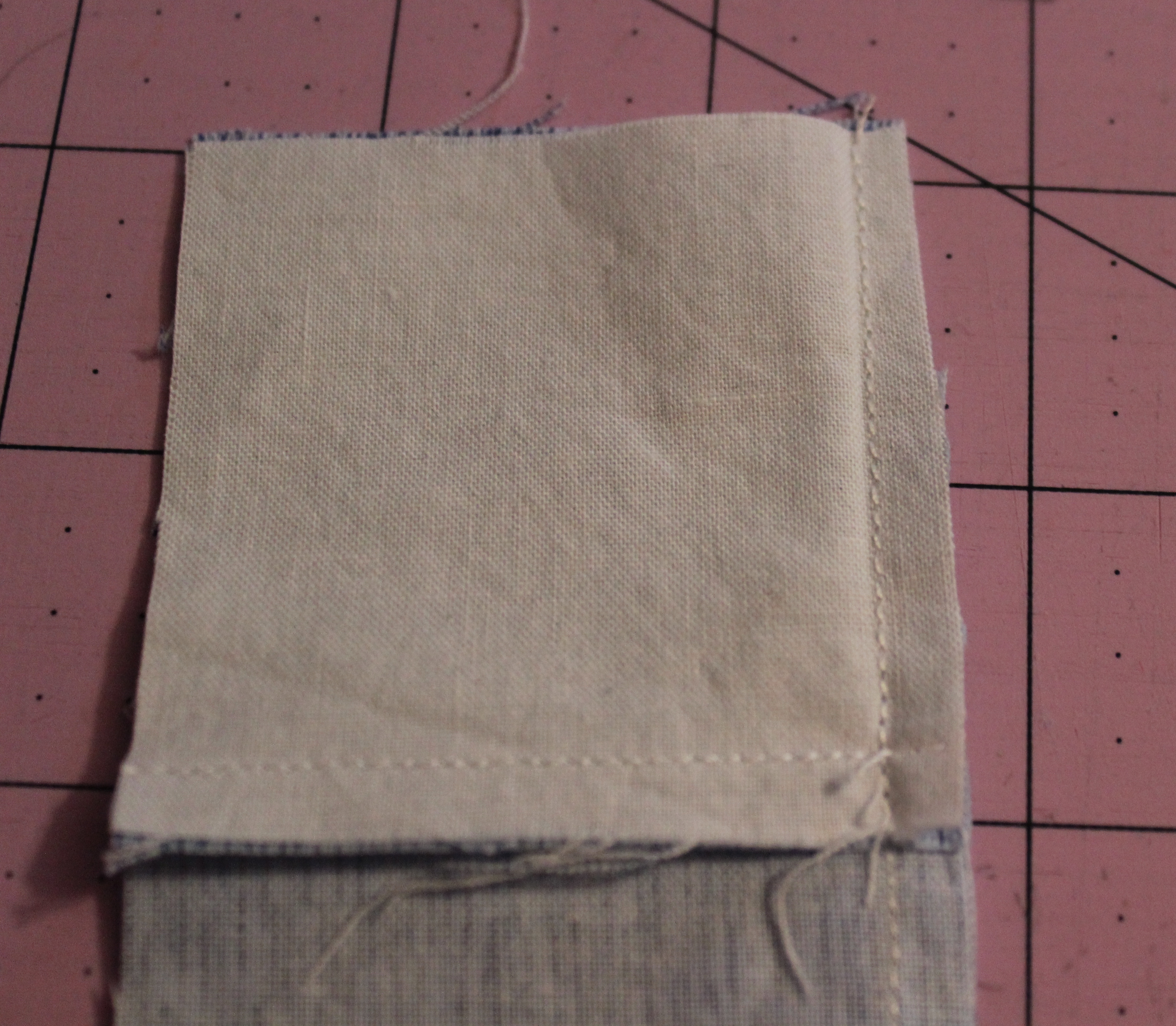
I am very good at raw edge applique, but needle-turn applique intimidated me, and every attempt looked sloppy. Until now. Carolyn Friedlander suggested in her book, Savor Each Stitch, that you baste the piece to the background one-quarter inch from the applique edge as a guide for turning under the fabric. This changed everything. I deviated from her instructions and instead I stitched one-quarter inch from the edge of the piece, separate from the background:

IMG_6378

I applied starch on the edges and ironed:

IMG_6381IMG_6382

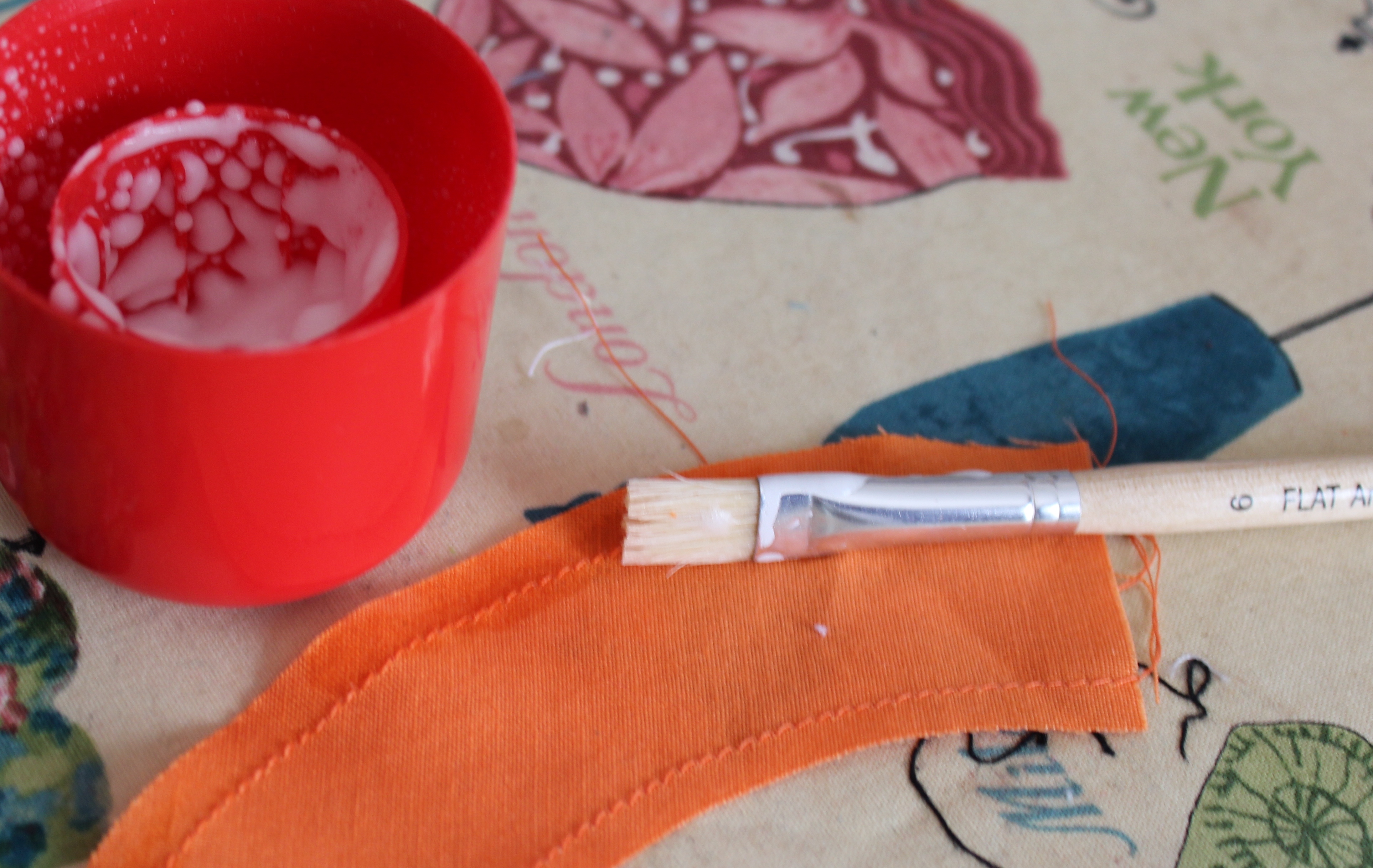
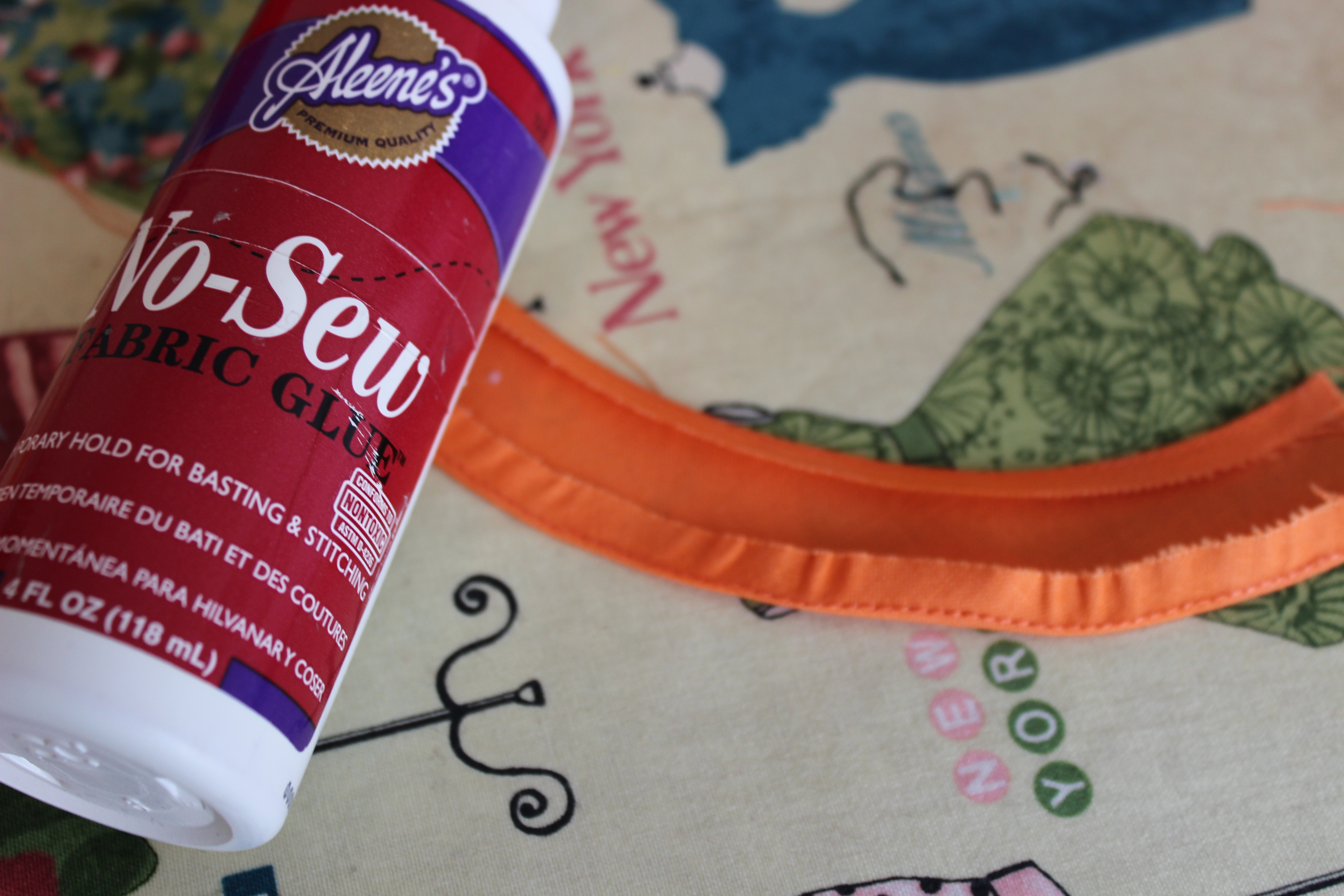
I used temporary glue to attach to the background fabric:

no sew glue

At this point I had the choice to stitch down by machine or by hand. I choose by hand, using a Size 11 gold needle by John James and 50 weight thread from Mettler in a matching thread. I’m experimenting with curves as part of the Savor Each Stitch Book Bee and studying Contrast. The pink and orange seemed like a good place to start.

needle turned applique

If you aren’t into this method, there are ways to get the same effect with no fabric turning. Jenna Brand has a tutorial.

I’m linking this post to The Late Night Quilters’ Tips or Tutorials Tuesday.

One tip at a time,

Wanda

There are no rules in making a modern quilt, but just in case. Five Things you should know.

In case you want some guidance in your modern quilt making, here are the top five things you need to know:

  1. functional.
  2. use of expansive negative space.
  3. improvisational piecing.
  4. bold and graphic.
  5. minimalism.

For an explanation of modern quilts, I turn to the Modern Quilt Guild. They say:

Modern quilts are primarily functional and inspired by modern design. Modern quilters work in different styles and define modern quilting in different ways, but several characteristics often appear which may help identify a modern quilt. These include, but are not limited to: the use of bold colors and prints, high contrast and graphic areas of solid color, improvisational piecing, minimalism, expansive negative space, and alternate grid work. “Modern traditionalism” or the updating of classic quilt designs is also often seen in modern quilting.

I. FUNCTIONAL

This means you can throw the quilt in the washing machine. I see a lot of modern quilts used as wall hangings and they function as art, but you could still throw them in the wash and they don’t need to be sent to the dry cleaners. I take this “functional” label to mean they aren’t embellished with beads and such.

II. EXPANSIVE NEGATIVE SPACE

The key word here is “expansive.”. Traditional quilts use negative space. My Vintage Moments quilt uses negative space but it isn’t a modern quilt:

IMG_2431

Expansive negative space uses large areas of the same color of fabric and it seems to use minimal piecing.

I like the use of large areas of solid fabric in a quilt, but to make it functional, that negative space needs quilting and all that free motion quilting seems to me to be no different than piecing. Either way there is a design in that space. Thread versus piecing — I don’t know the answer to what is negative space. Maybe it has to read as a solid background and it has nothing to do with negative space design. The blog, KnitNkwilt, has a discussion about negative space in modern quilts. I’m still trying to figure out what this means.

III. BRIGHT AND GRAPHIC COLOR PALETTES (HIGH CONTRAST AND GRAPHIC AREAS OF SOLIC COLOR)

Again, my Vintage Moments quilt uses high contrast with the black and white. High contrast in a modern quilt must mean something more than that.

IV. IMPROVISATIONAL PIECING

I love improvisational piecing.  I think “improvisational piecing” is akin to my understanding of “liberated” quilting. Last year I made a quilt from pieces of scraps from previous projects and quilts, mostly traditional. I made wonky log cabins but the “logs” were white or white-on-white fabric, also left over from previous quilts. I call it Sentimental Soup.

sentimenal soup

V. MINIMALISM

This category seems the easiest for me to understand. Perhaps it is because I see it as Modern Art.

This is a painting by Brice Marden. I recently saw it as the Virginia Museum of Fine Arts. The work is titled, “Meritatio.”

Meritatio By Brice Marden ,1978

This painting looks like a minimal quilt.

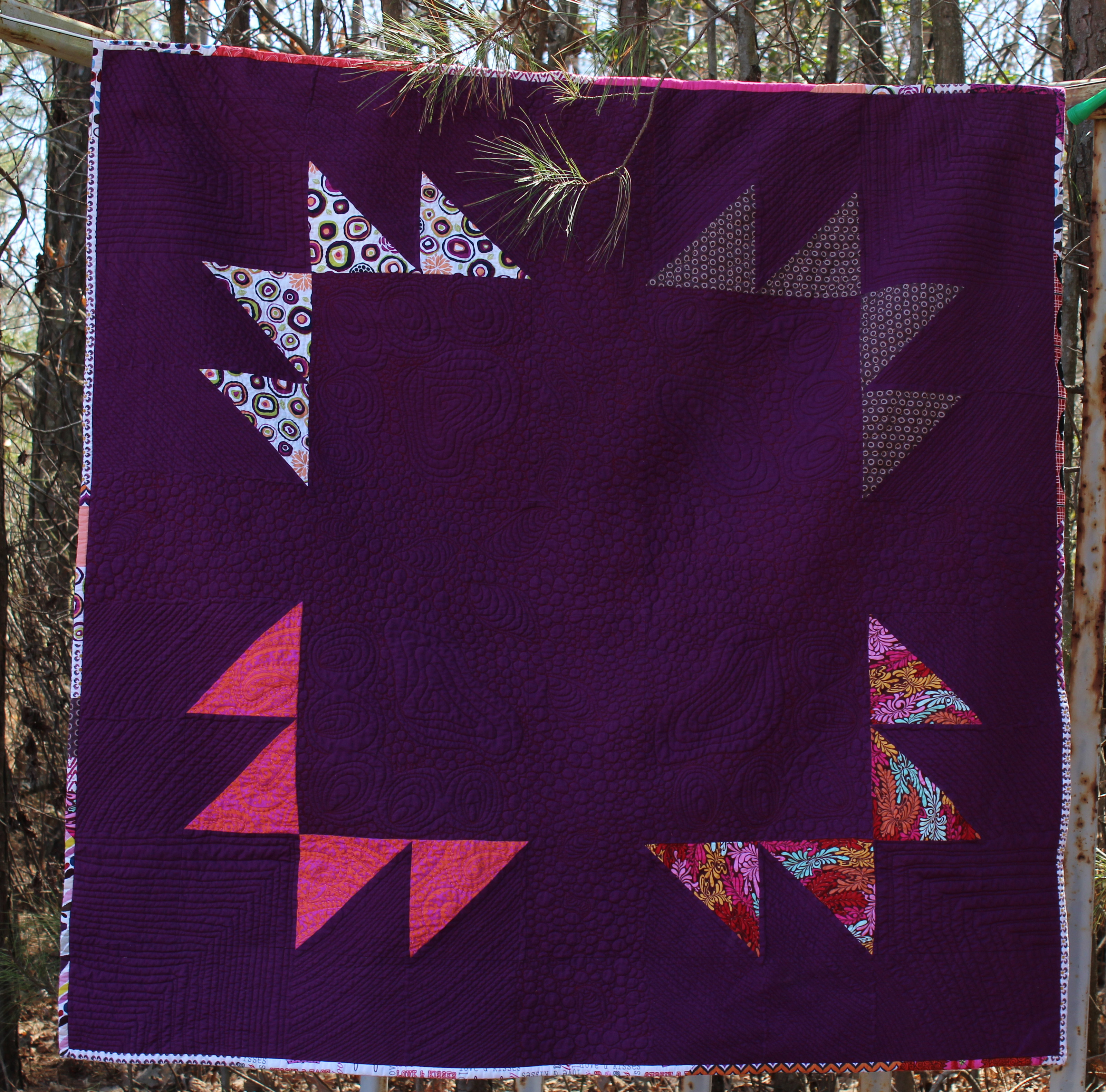
I recently finished a quilt, titled Muppets Minimal. I know I named it ‘minimal’ and so it must be minimal. Right?

IMG_6283

This quilt is my husband’s favorite and is perfect for long naps. Functional – check. Expansive Negative Space– check.  Bright and Graphic– check. Minimal– check.  Improvisational Muppets– check. This must be a modern quilt. The LOVE quilt at the top of this post checks some of these blocks — improvisational, graphic, functional but not minimal and not much expansive negative space. This quilt is called, Love is messy, and is my tribute to the LOVEWorks sculptures throughout Virginia. The point is that a modern quilt doesn’t have to be all these things at once, and that just isn’t possible.

VI. TRADITIONAL WITH A TWIST

I’m drawn to quilts which use traditional blocks in a new way.  The Modern Quilt Guild recognizes these quilts as “modern.” The Cincinnati Modern Quilt Guild explains:

Modern quilting is a new twist on the traditional art of quilting. This may mean something as simple as using a traditional quilt block and updating it in a fresh, fun new way. That includes using modern fabrics, modifying the block arrangement or even the scale of the block. The piecing could be improvisational and liberated, or it could be very exact and measured, following a pattern or creating your own. The quilting could be traditional stippling, clean straight lines, or a very “free,” fun, quilt-as-you-go style. Fabrics could be upcycled vintage sheets, custom digitally printed fabric, a yummy selection from one of the new modern fabric designers, or an old fabric from an ever-growing stash.

 [….]

Modern quilting is also about the attitude and the approach that modern quilters take. It respects the amazing artistry and talent of the tradition of quilting, while allowing the quilter to challenge the “rules.” In fact, if there were one rule in modern quilting, it would be that there are no rules.

I like this description. THERE ARE NO RULES!

VII. FINAL THOUGHTS

I believe art, and modern quilts, must have some connection to the person who is creating the art or the quilt. Merely producing a replica of a piece of modern art is hollow. I have to find what speaks to me and what I want to create. I want my quilts to have a story.

Telling stories one quilt at a time,

Wanda

Update: after writing this post I realized I completely forgot about Alternate Gridwork which was the requirement for the QuiltCon Charity Quilt I helped make.