Pause

Take a moment to pause.


It’s hard for me to pause. I’m in a hurry to get things done and the faster the better. But, I slow down when I hand quilt. The news is that quilters are slowing down.

Why?

Quilting Daily says it’s because the quilting frenzy of tools and fabric and social media posts are stressing us out.

One of my Book Bee participants (where we’re exploring Savor Each Stitch: Studio Quilting with Mindful Design ) sent me the above post. In it, the author writes:

Mindful creating, or paying close attention to what you’re doing. how you are doing it, and the materials you’re using, can help you regain the “Zen” of your favorite pastime. Not to mention how much better your results will be.

The author cites Mark Lipinski’s Slow Stitching Movement as an example of this approach. When I explored his blog, it was overwhelming. I couldn’t decide where to go first, so I just quit looking. That’s a good place to start. Just stop looking!

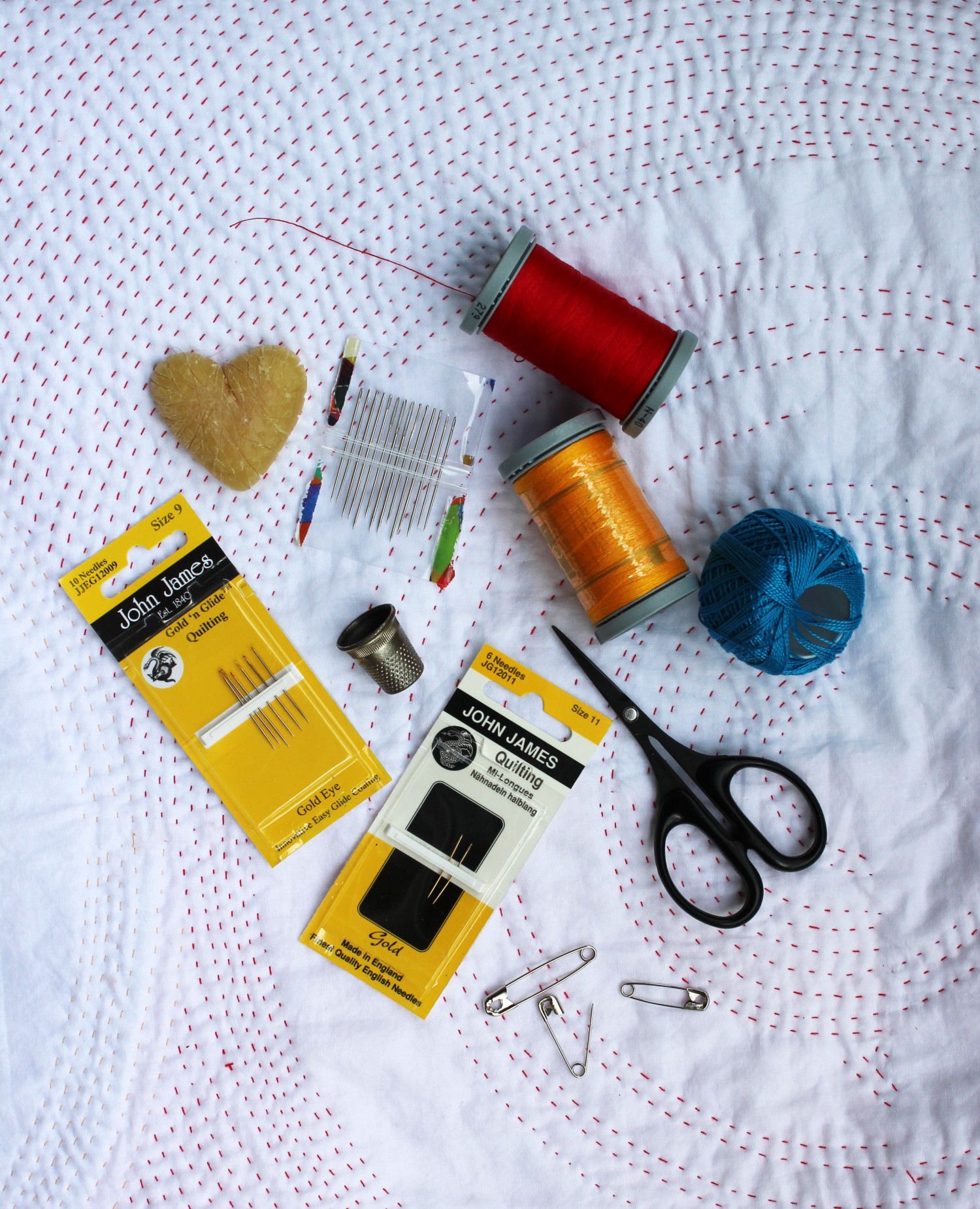
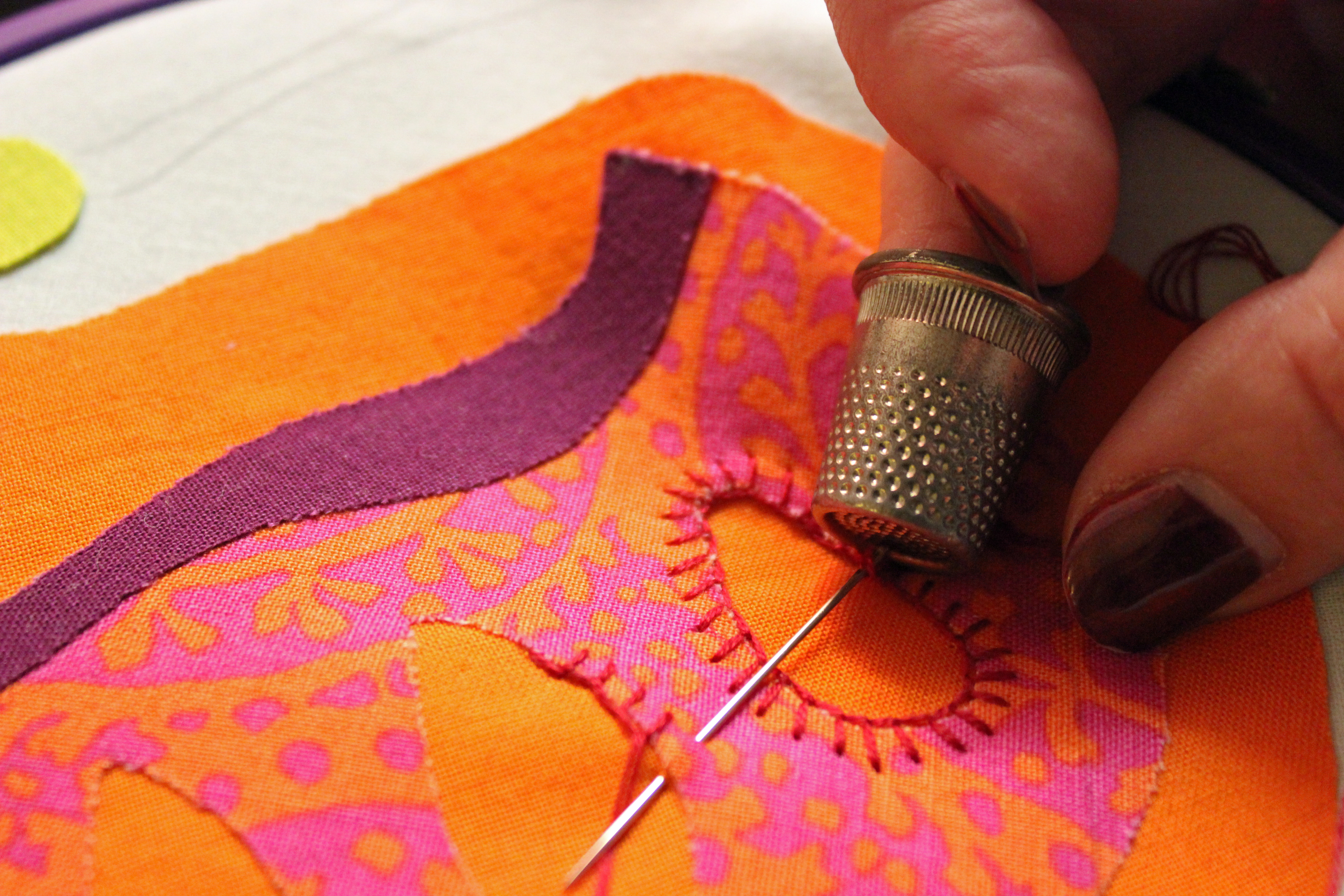
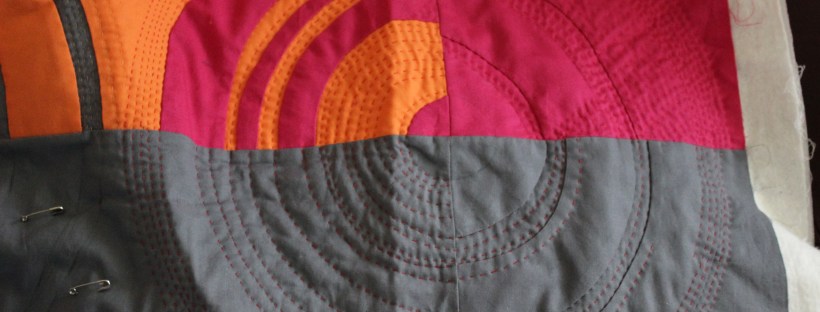
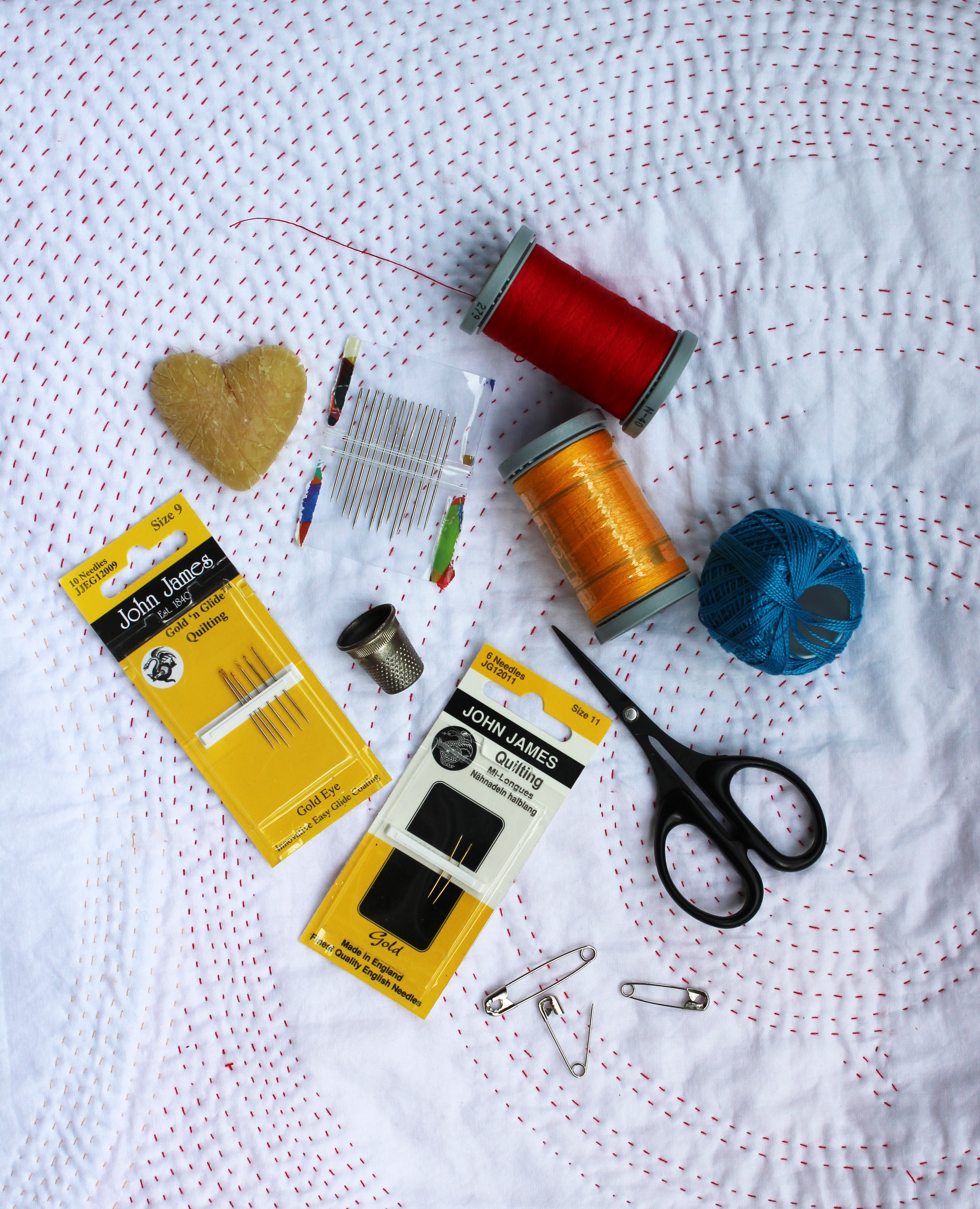
And, for my exploration of the chapter in Savor Each Stich, “Contrast,” I’m hand quilting my quilt. (featured photo above)

I love hand quilting. Over the last year I’ve made more than 3 million stitches on my machine trying to improve my free motion quilting. It worked. I got a lot done, but it’s time to pause and take a break from that. I’m going to take my time and not stress about my “to do list.” I’m going to pause and savor each stitch.

Pausing,

Wanda

Hexagon Applique Tutorial

In my Random Perfection quilt I used hexagon applique. To avoid the problems I encountered where the fabric came out,  you will need to make sure some of the folded fabric comes underneath each stitch line. Also, I didn’t use Aleene’s Fabric Fusion glue which is a permanent glue. That may explain why the folds came out as well.

First I’m going to show you how to make a perfect hexagon applique. Then I’ll show you the “more fabric” way which will result in all the edges staying inside the hexagon applique even without permanent glue.

There is more than one way to make a perfect hexagon for applique and English paper piecing, but I like this method.

A PERFECT HEXAGON APPLIQUE (7/8 inch)

Cut a strip 2 5/8

Cut a strip 2 5/8″

Cut across the strip 2 1/2

Cut across the strip 2 1/2″. The piece is now 2 1/2″ by 2 5/8″.

Add a dap of glue to your paper hexagon (this is 7/8

Add a dab of glue to your paper hexagon (this is a 7/8″ hexagon)

Trim around the edges. There should be at least 3/8

Trim around the edges. There should be at least 3/8″ from the edge of the paper to the edge of the fabric.

Spray regular starch into lid of starch and apply a small amount around the edges.

Spray regular starch into lid of starch and apply a small amount around the edges of the hexagon with a brush.

Press the hexagon with an iron.

Press the hexagon with an iron.

This is a perfect hexagon applique. You can remove the paper and there’s no basting strings to remove.

A BETTER APPROACH FOR THE MODERN HANDCRAFT TECHNIQUE

Use more fabric and don’t trim the fabric into a hexagon. Instead, do this:

Dab a little glue on paper and attach to the fabric. Do not trim into a hexagon shape. Press.

Dab a little glue on the paper and attach to the fabric. Do not trim into a hexagon shape. Press.

hexagons more fabric

LET’S EXPERIMENT

  • Make a few hexagons with the “more fabric” method and apply them using glue. I used Appli-Glue (it washes out).
  • Draw lines 7/8″ apart.
  • Space the hexies 1/4″ apart (1/8″ inch from the hexie edge to the drawn line)

hexagons experiment measuring

  • Make a quilt sandwich:

hexagon quilt sandwich

  • Stitch straight across the points. It takes three passes to get all the points.

hexagon stitch hexagons quilted

  • Square up and bind.
  • Wash it.

What happened?

hexagon experiment closeup

hexagon experiment

Success! None of the ends came out.

Taking a break from experimenting,

Wanda

I’m linking up with The Late Night Quilters’ Tips and Tutorials Tuesdays.